WEBER WORKSHOPS BEAN CELLAR
The Ultimate Simple Travel-Hack For Coffee Enthusiasts?
BENJAMIN SAND - MAY 2026
Benjamin Sand is the editor of The Mouth and has tested portable projectors, espresso makers, and travel gear across years of nomadic travel through Southeast Asia, Europe, and beyond.
Build Quality ★★★★★ 5/5
Capacity ★★★★★ 5/5
Design ★★★★★ 5/5
Value
★★★★ 4/5
THE VERDICT ★★★★★ 5 / 5
If you travel often, or want to store rare coffee in the freezer for special occasions, this is the final boss.
Price 44 EUR (for 10, depending on if you include the wooden rack)
Bottom Line: The most stylish way to store and keep single-doses of coffee.
There are many predicaments we face as travellers when it comes to storing and carrying coffee. Either you cram a bunch of bags of half-full, opened coffee in your suitcase and juggle the workflow spilling half the beans on your hotel floor, or you find a genius alternative.
Ever tried weighing or dosing coffee on a plane, or ferry? Yeah, nah.
The Comandante jars are great, but they're heavy... and bulky. Other similar vials and containers are either made out of glass (and therefore a potential hazard), or awkward and look more like a laboratory specimen than somewhere to store your exclusive Sudan Rume.
Then there's zip-lock bags, but not only are they prone to letting the sun shine in, they are definitely not air-tight.
Well, Weber Workshops have come up with a solution that is truly going to change the way I carry coffee in the future. I honestly cannot believe I'm this excited over a polymer tube...
WHO ARE WEBER WORKSHOPS?
Weber Workshops is what happens when Silicon Valley meets the obsessive craftsmanship of Japan. Founded by Douglas Weber, the company was born from a desire to escape the endless cycle of obsolescence. Instead of building gadgets meant to be replaced in two years, Weber moved to Itoshima, in the Japanese countryside, to build heirloom-quality instruments. Every product is designed with the philosophy that a coffee tool should be a lifetime companion, combining high-precision mechanical engineering with materials that age as gracefully as the coffee they process.
The team - a ragtag clan of artists, engineers, dreamers, and madmen - combine eccentricities to channel into their craft. Every product is broken down to the last atom to investigate how it can be improved, how retention can be minimised, or how the conditions inside a container can be perfected.
By treating coffee as a precious commodity, they have built an ecosystem around it to present in its greatest form, and minimise the external factors that diminish its brilliance.
They are basically seers of the caffeine cartel.
WHAT IS A BEAN CELLAR?
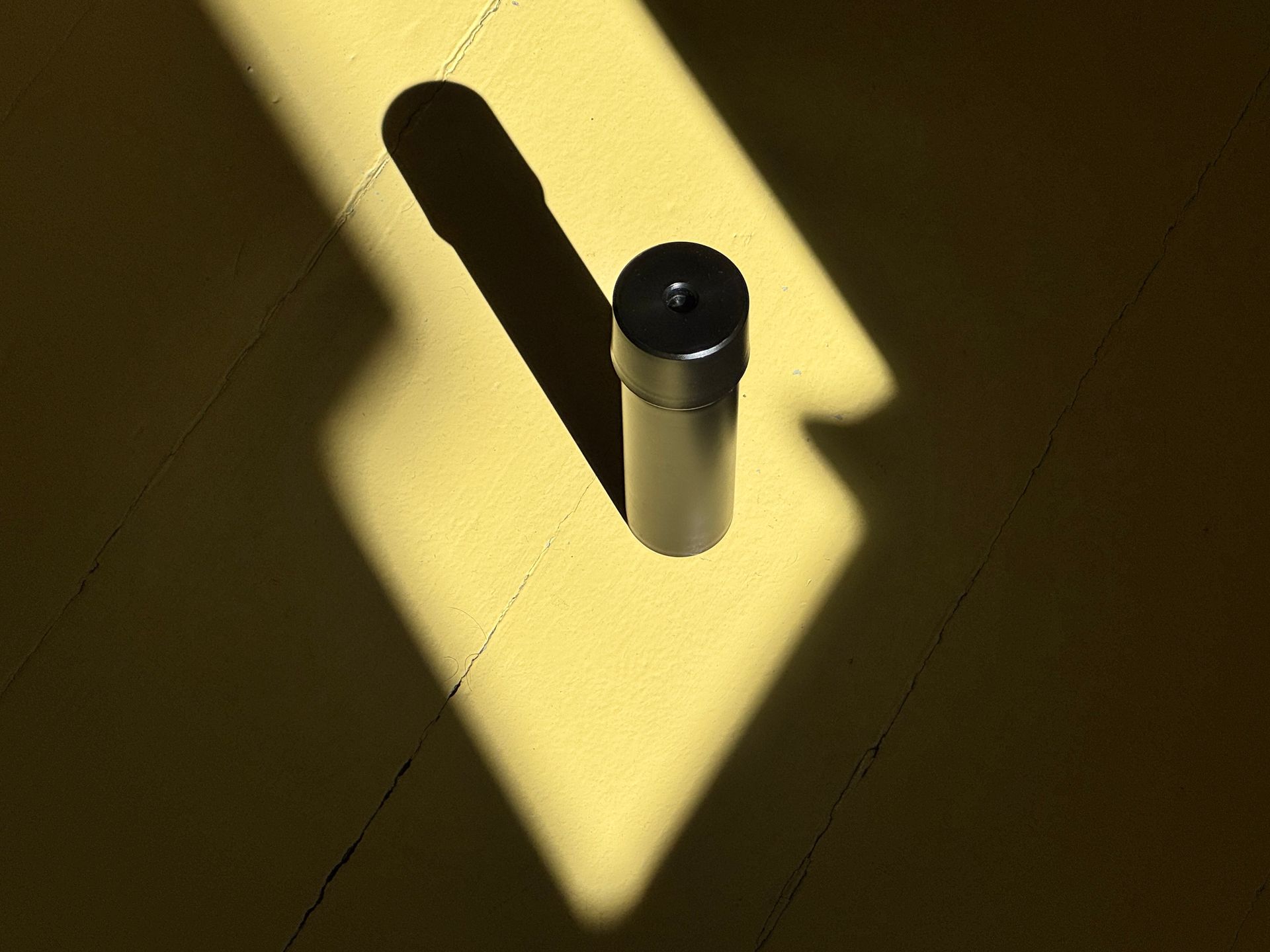
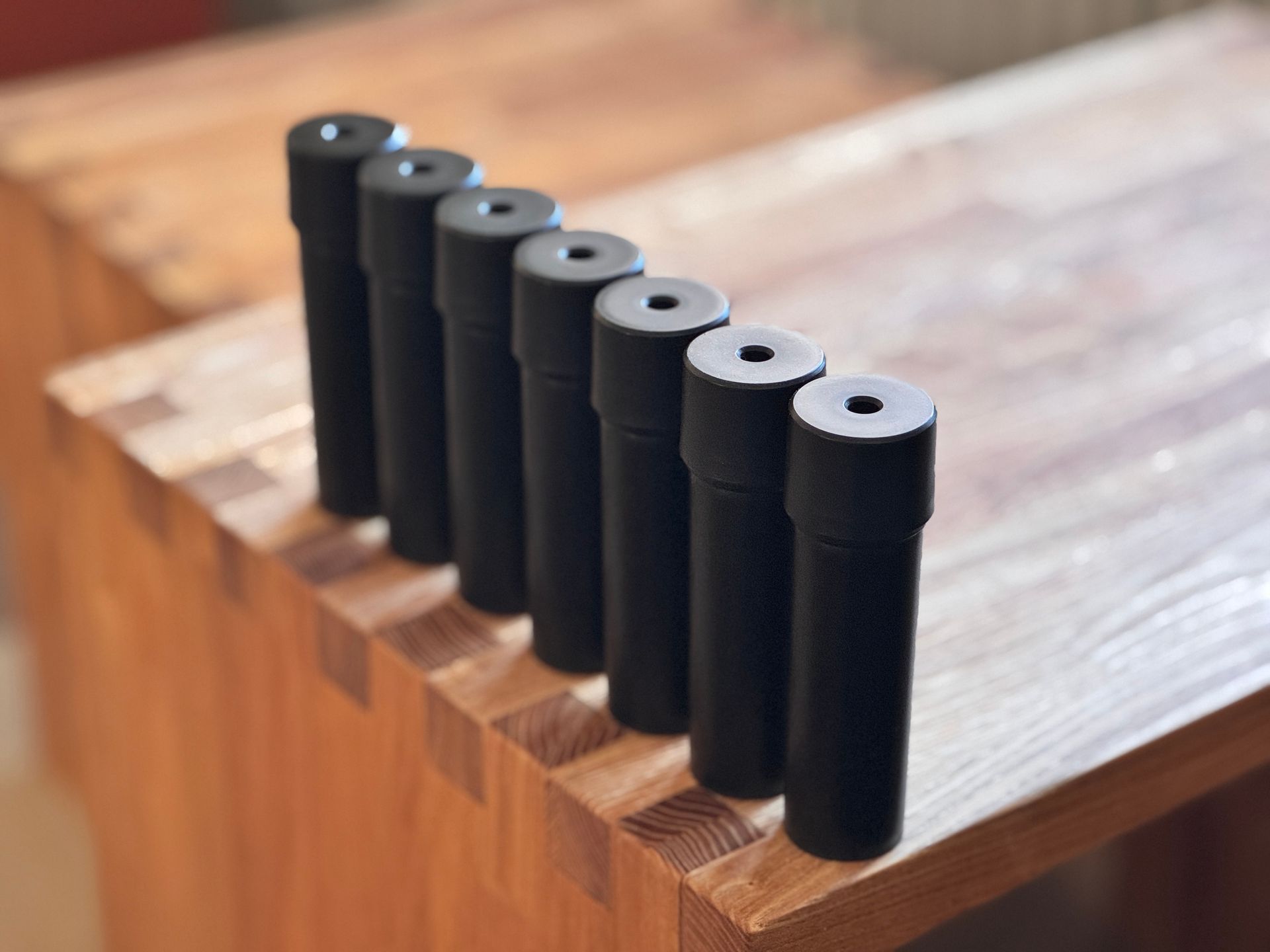
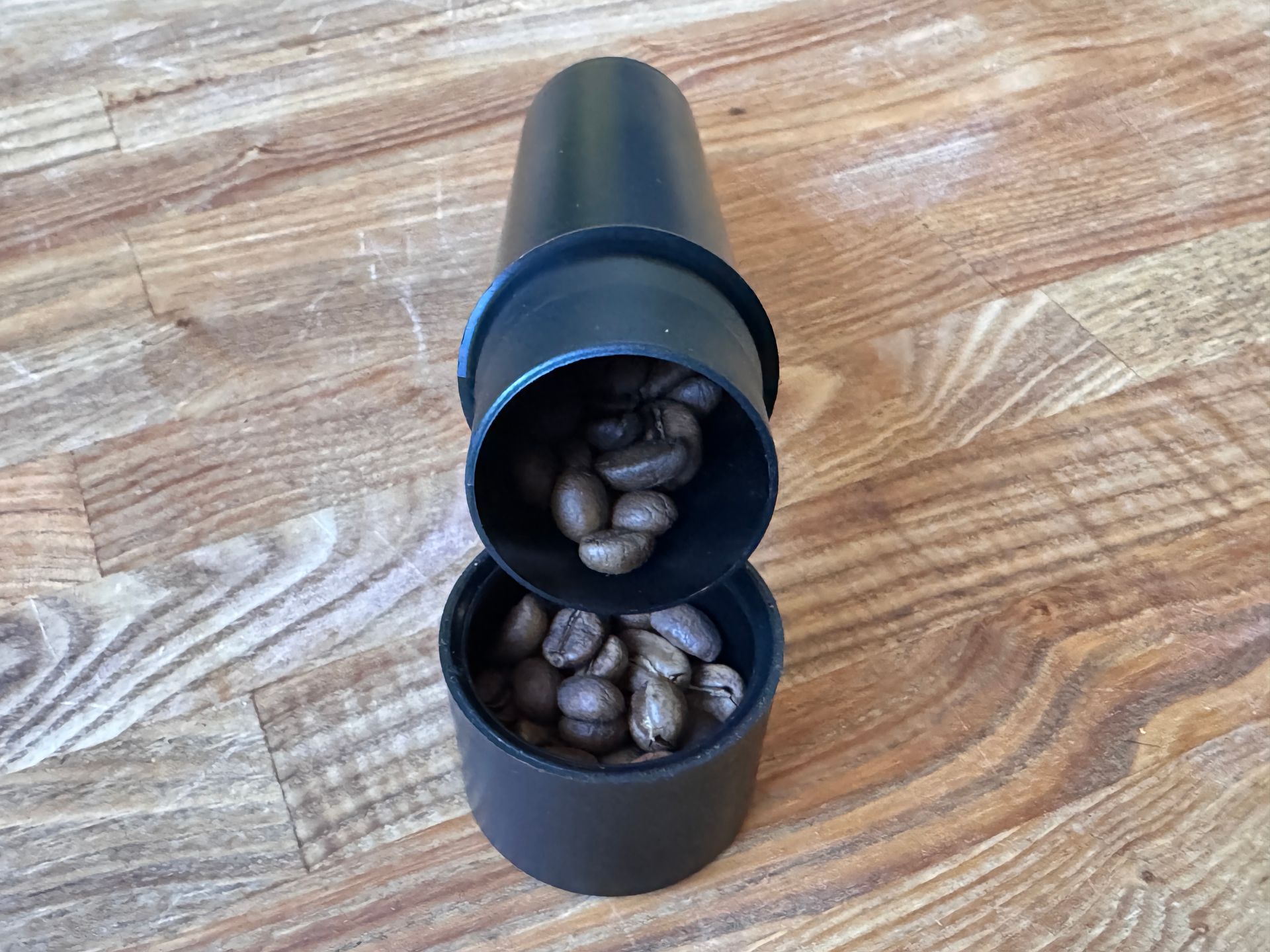
In the crudest parlance: a polymer container for coffee beans.
The first thing you notice about the cellars is the sheer, unadulterated intent behind them. Unlike their glass counterparts, these work magnificently for the nomad minimalist who wants to escape for a long weekend, and bring only a few doses of coffee. Ground or beans.
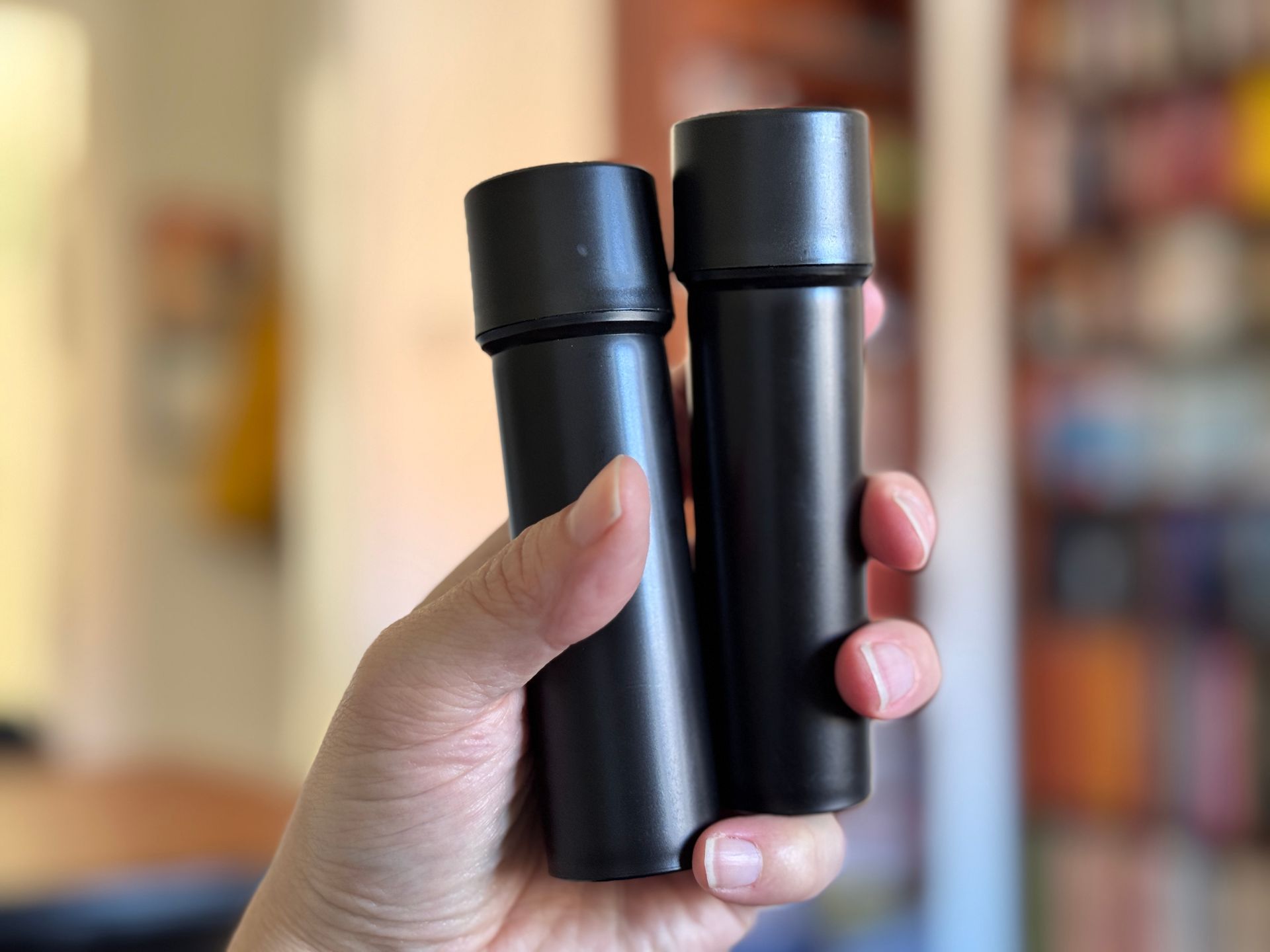
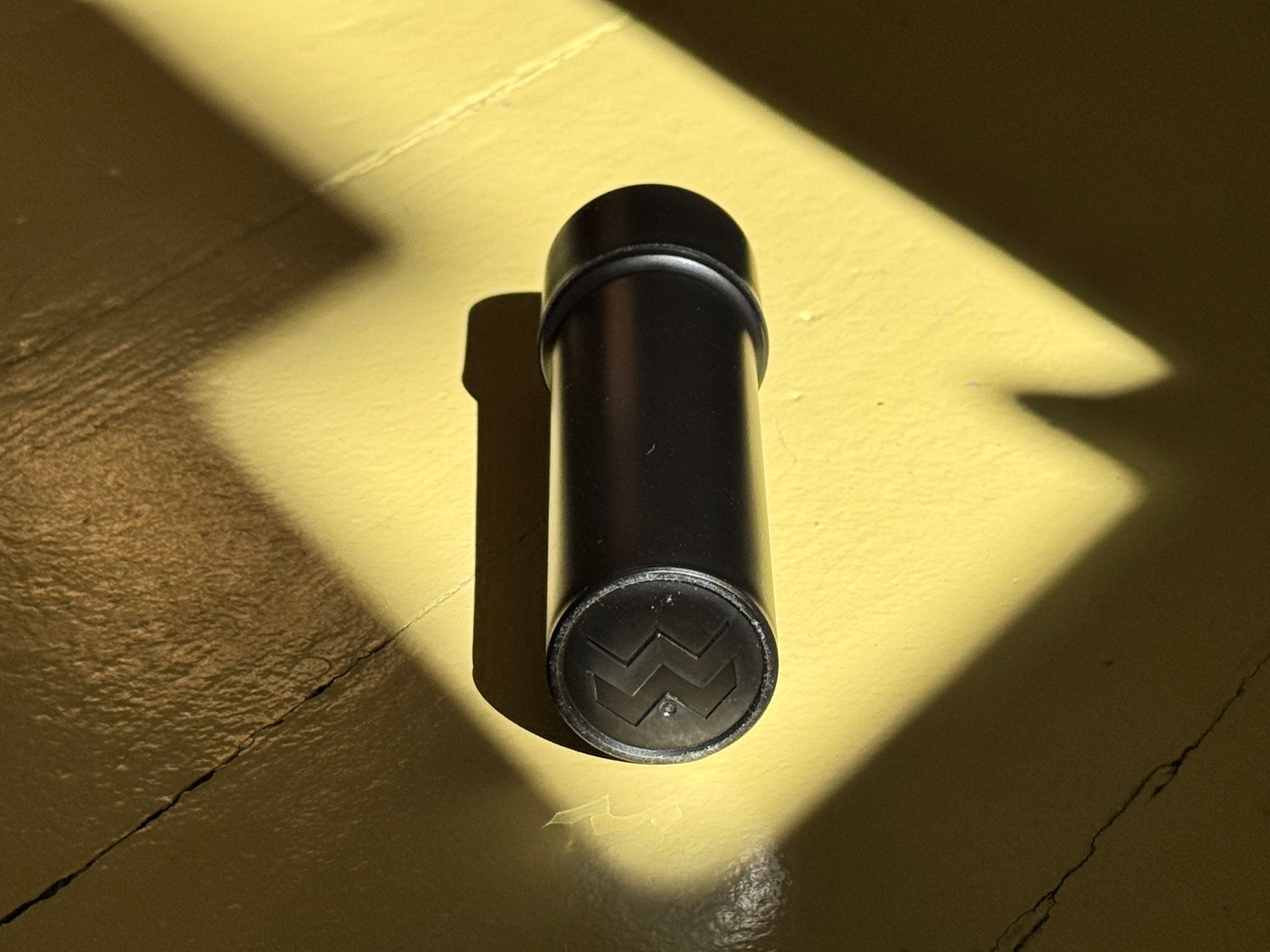
They are matte, tactile, and feel anything but "plasticky".
The way the lid slides on with that touch of resistance, consoling you with the fact that air is the enemy, and your precious cargo will be safe. A valve on top releases CO2 from degassing beans, but prevents evil oxygen from spoiling the party.
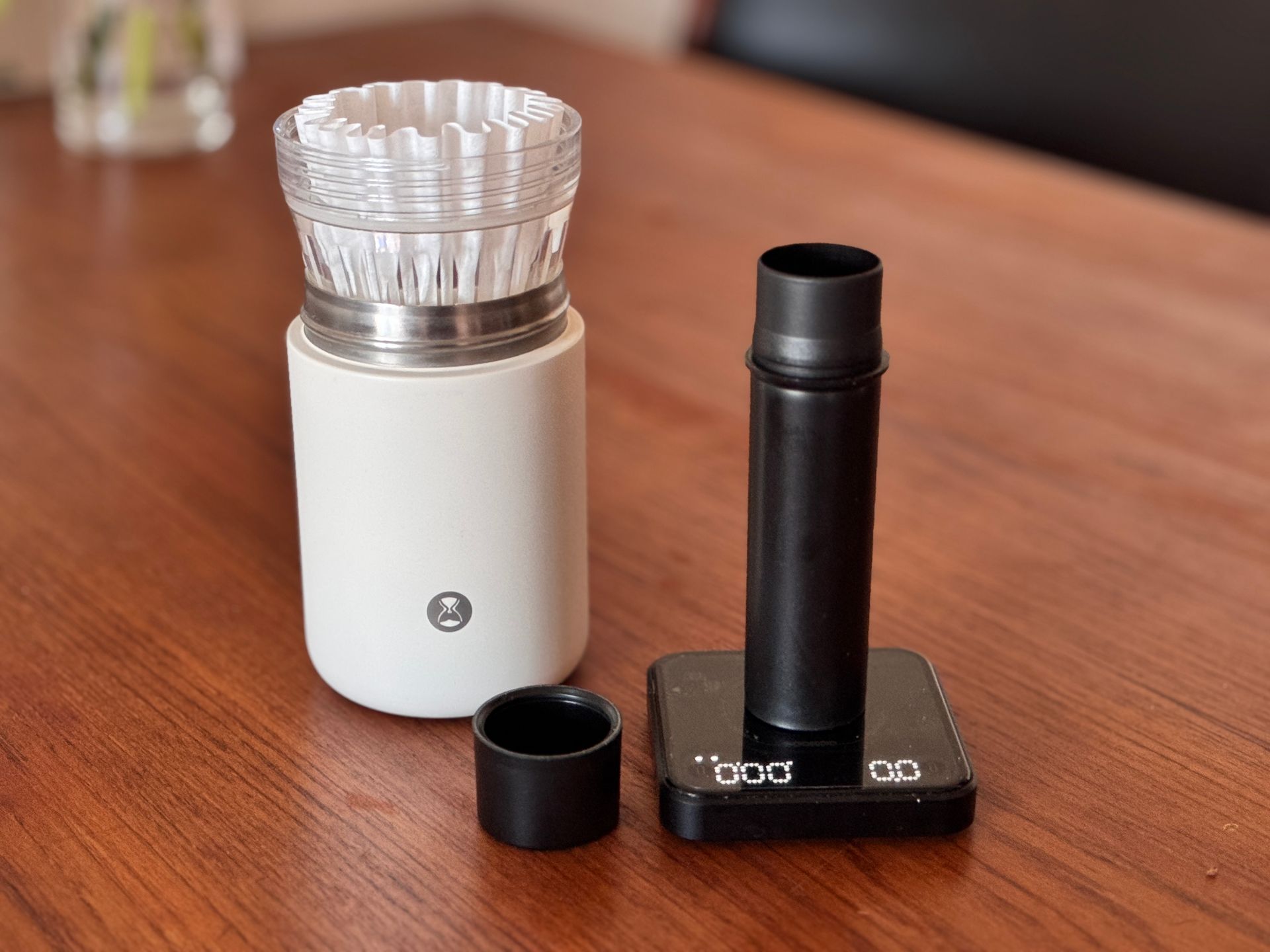
As many coffee shops around the world have experimented with (including April in Copenhagen - who use the Weber Workshop Bean Cellars, and OneHalf in Kuala Lumpur), pre-dosing coffee and using it within a 24-48 hour window is almost unnoticable to the final flavour. Therefore, if you want to go ULTRA minimalist and ditch the grinder and scales, these are the perfect vessels to weigh, grind, and seal (up to) 20-28 grams of your favourite coffee for brewing over a long weekend.
Should you be going for a week, then just bring your hand-grinder, 7-8 cellars, and store the beans whole. Problem solved!
WHAT I LIKE
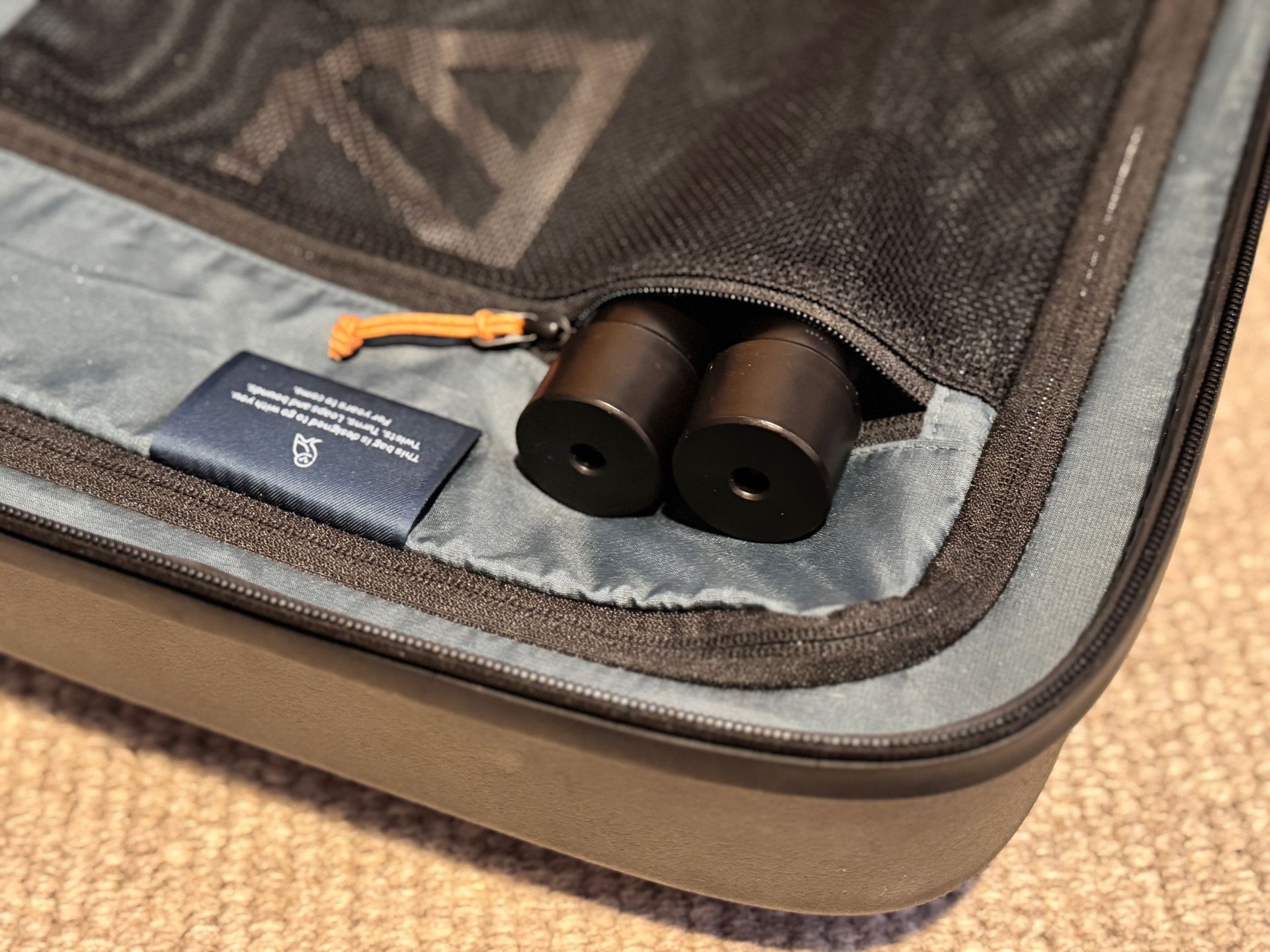
As a self professed global nomad, one who values travelling light, and dresses exclusively in dark hues, these cellars are a hit. Knowing they are sturdy, won't shatter if a luggage handler had a bad day, and look premium sitting on your hotel desk, they will definitely be my companion for long into the future.
I like to think that accessories mirror the person who chooses them, and for me life has always been about minimalism, simplicity, unfussy design and a lack of loud logos or gawdy prints. These cellars hit all the right notes, and say alot without the need for neon and sparkle.
Watch Our Coffee Shelters deep-dive on the Bean Cellars.
The Positives
- The One-Way Valve:
This is the game changer here. The "One-Way Valve" cap allows CO2 to escape without letting oxygen in. So, feel free to shove a portion of that expensive Panama Geisha in the freezer and keep it for a special occasion - the delicate florals won't die in this container.
- Workflow Ease:
Weighing out your single-dose the night before and storing it in one of the Weber Workshop bean cellars means you don't have to fuss around in the morning when your head's not 100%. For that alone, these are a great help.
- Elegance:
Unlike glass, these polymer vials are built for bumps of life. You can drop them, travel with them, or throw them in a bag without the fear of shards. Glass vials can be beautiful, but for me, the ease and safety of polymer wins hands-down.
- Static:
For some reason, the polymer seems to handle static well, so you rarely need to worry about fines stuck to the insides.
The Negatives
The Price:
Excellence has a price tag, and Weber doesn't hide from that. At over $5 a pop, the initial outlay may sting, but these will probably last long enough for you to have forgotten the credit card bludgeoning.
Volume: While perfect for standard 18-22g doses, those who favor massive 30g filter brews might wish for just a few extra millimeters of headroom.
The good news is that Weber recently launched these.
Final Thoughts
The Weber Workshop bean cellars may be the only accessories from the company that I could currently afford to splash out on, doesn't mean I don't have my eye on further splurges in the future. The company is one that I align with on many fronts, and they have just taken a step to make my life easier on my frequent trips, and to that I salute them.
The bean cellars can be bought directly from their
website. This is not an affiliate link, and I won't earn anything from it, but Weber were kind enough to ship the products to me, so its only right to help others find the way to happiness.
FAQ
What is the "One-Way Valve" actually doing?
Freshly roasted coffee naturally releases CO2. The proprietary valve in the cap allows this gas to escape while preventing oxygen from entering. Because CO2 is heavier than oxygen, it effectively "pushes" the air out of the vial, bathing your beans in a protective blanket of their own gasses.
Can I put these in the freezer?
By all means! The polymer is designed to handle a deep freeze, unlike glass, which can become brittle and crack in extreme cold.
Pro Tip: Grinding beans while frozen is a pro-move as it creates a more uniform particle size and leads to a higher extraction yield.
How do I clean them?
The polymer cellars are remarkably low-maintenance. You can wipe them with a damp cloth or give them a soak in warm, soapy water.
Pro Tip: If the O-ring feels a bit tight after a wash, a tiny drop of food-grade mineral oil will keep the "twist-and-pull" action feeling silky.
How many grams do they hold?
The standard cellars are designed for a sweet spot of 18g to 22g of roasted coffee. Depending on the roast level (darker roasts are more voluminous), you can push them up to 24g-28g.
What if I prefer the look of glass?
While the polymer is king for durability and freezing, they have them in borosilicate glass as well.